Category: Webinars

Telemedicine use cases to advance the SDGs – Part 3 Applications for Primary Healthcare

Telemedicine use cases to advance the SDGs – Part 3 Applications for Primary Healthcare


Context:  Telemedicine has the potential to significantly strengthen primary healthcare systems by improving first-contact care, continuity, and comprehensiveness — essential to achieving Universal Health Coverage (UHC) and advancing the SDGs.

Objectives:

  • Highlight telemedicine’s role in enhancing primary healthcare delivery.
  • Provide examples from LMICs where telemedicine improved PHC access, quality, and efficiency.

Expected Outcomes By the end of the session, participants will:

  • Understand how telemedicine solutions can expand and strengthen PHC services.
  • Learn practical models and lessons from integrating telemedicine into PHC.
  • Recognize the contribution of telemedicine to UHC and SDG 3.

Download Webinar Slides


Speakers

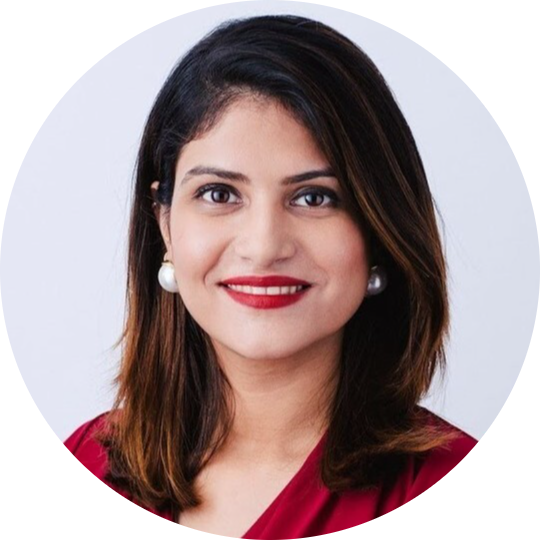
Nasser Diallo

Founder and CEO, Clinic+O

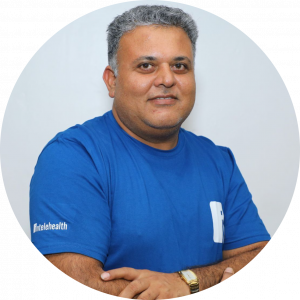
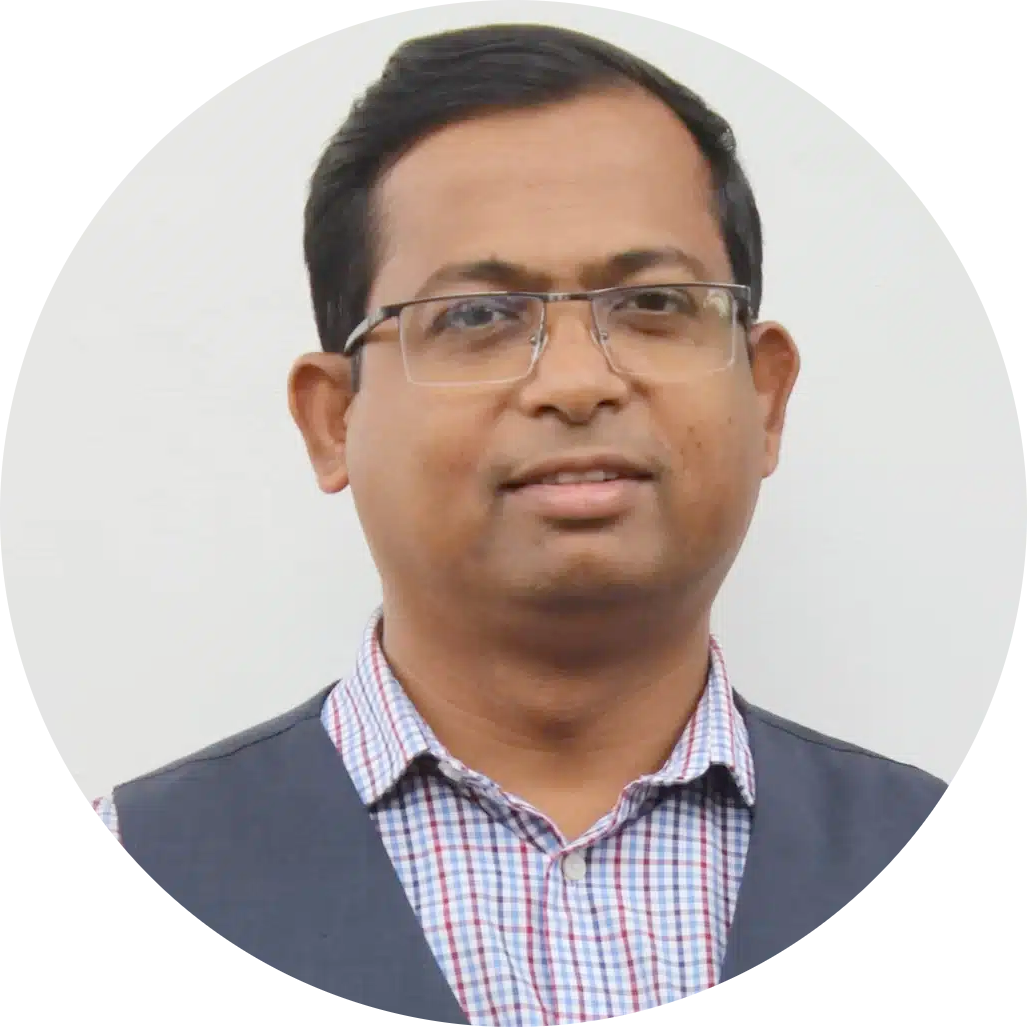
Dr. Sanjay Kumar

Senior Medical Consultant, Intelehealth

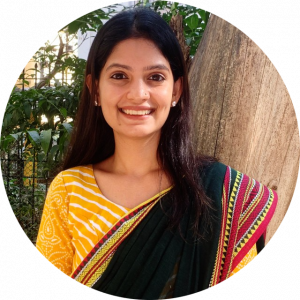
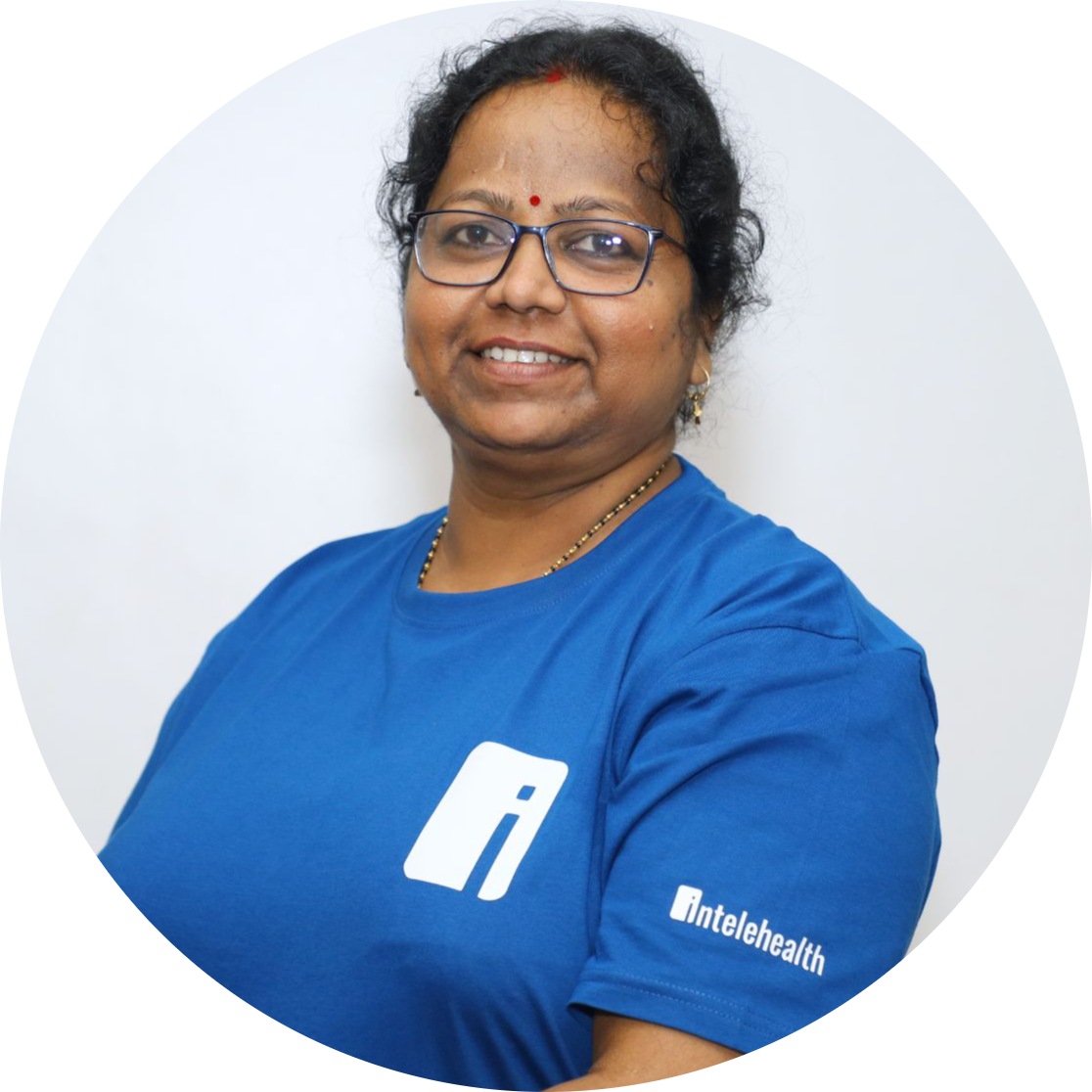
Anusha Kulkarni

Senior Program Manager, eSanjeevani implementation, Intelehealth


Other Blogs

We look forward to partnering with you

Together we can make telemedicine reach the last mile

Contact Us

Telemedicine Use Cases for Advancing SDG 3 – Part 2 Digital Health Applications for Maternal, Newborn and Child Health

Telemedicine Use Cases for Advancing SDG 3 – Part 2 Digital Health Applications for Maternal, Newborn and Child Health


Context:  Digital health solutions offer promising benefits for improving maternal and child health, especially in LMICs with limited access to essential maternal, newborn, and child health (MNCH) services.
For example:

  • Teleconsultations between patients, frontline health workers, and doctors can enable remote consultations and monitoring, support timely referrals, and provide continuity of care for mothers and children.
  • Digital labor care guides that follow the WHO labor care guidelines can improve labor management and enhance the quality of care provided to expectant mothers during childbirth.


Objectives:

  • Explore how digital solutions like telemedicine and digital labor care guides are applied to maternal, newborn, and child health service delivery to strengthen health systems and advance SDG 3.1 and 3.2.

Expected Outcomes By the end of the session, participants will:

  • Understand digital health applications for maternal, newborn, and child health services.
  • Learn about models integrating telemedicine into MNCH programs within public health systems.
  • Take away insights on implementation successes, operational challenges, and lessons for scale.

Download Webinar Slides


Speakers

Dr E Venkata Ramana

Clinical Director, Intelehealth

Debbie Rogers

CEO, Reach Digital Health

Chantelle Allen

Sr Principal Technical Advisor, Primary Health Care, Jhpiego


Other Blogs

We look forward to partnering with you

Together we can make telemedicine reach the last mile

Contact Us

Telemedicine use cases to advance the SDGs – Part 1 : Applications for Non-Communicable Diseases (Diabetes, Hypertension, Cardiovascular disease, Cancer and Mental Health)

Telemedicine use cases to advance the SDGs – Part 1 : Applications for Non-Communicable Diseases (Diabetes, Hypertension, Cardiovascular disease, Cancer and Mental Health)


Context:  Managing NCDs such as diabetes, hypertension, cancer, and mental health conditions demands accessible, continuous care — which telemedicine can uniquely support. This webinar will illustrate how telemedicine interventions are contributing to achieving the Sustainable Development Goals (SDGs), particularly SDG 3 (Good Health and Well-being).

Objectives:

    • Showcase successful use cases of telemedicine for NCD management.
    • Discuss implementation models and their impact on healthcare access and outcomes.

Expected Outcomes By the end of the session, participants will:

  • Gain insights into telemedicine solutions designed for NCD prevention, management, and follow-up.
  • Understand how these interventions contribute to achieving SDG targets.
  • Explore practical examples and challenges of scaling NCD telemedicine programs.

Download Webinar Slides


Speakers

Rhea Yadav

Director, Strategy and Impact, Wysa

Dr Susanta Kumar Swain

Additional Director NCD, Health & Family Welfare Department, Government of Odisha

Geetu Bagri

Assistant Vice President, National Cancer Grid – Koita Center for Digital Oncology


Other Blogs

We look forward to partnering with you

Together we can make telemedicine reach the last mile

Contact Us

Financing Telemedicine and ROI – The Business Case for Telemedicine

Artificial Intelligence and Machine Learning in Telemedicine


Context:  Sustainable financing models are critical for telemedicine programs to scale and endure. Policymakers and program managers must understand the cost structures, financing options, and return on investment (ROI) to justify ongoing investments in telemedicine services.

Objectives:

  • Equip participants with knowledge about cost components and financing models for telemedicine.
  • Explain how to build a business case for telemedicine investment.
  • Share global examples of successful financing strategies.

Expected Outcomes By the end of the session, participants will:

  • Understand the full cost structure of implementing and operating telemedicine services.
  • Explore different financing mechanisms: patient paying for services, public/government funding including public-private partnerships, insurance reimbursement, and donor funding.
  • Learn how to estimate and communicate the ROI of telemedicine interventions.
  • Understand the risks, limitations, and ethical challenges of using AI in healthcare.

Download Webinar Slides


Speakers

Natalie Maricich

Product Manager, Audere

Nitin Kumar Solanki

Director of Programs, Intelehealth


Other Blogs

We look forward to partnering with you

Together we can make telemedicine reach the last mile

Contact Us

Artificial Intelligence and Machine Learning in Telemedicine

Artificial Intelligence and Machine Learning in Telemedicine


Context: AI and ML are reshaping telemedicine, offering new opportunities to enhance diagnostic accuracy, personalize care, and optimize system efficiency. However, applying AI responsibly in health settings demands thoughtful design, ethical safeguards, and practical understanding.

Objectives: This webinar will bring together experts and thought leaders to discuss use of AI/ML in telemedicine, highlight current real-world use cases and innovations and explore ethical, regulatory, and technical considerations for AI integration.. The event will showcase lessons learned from various telemedicine initiatives in the South East Asia region, with a focus on sustainable, scalable, and community-centric models.

Expected Outcomes By the end of the session, participants will:

  • Gain a foundational understanding of how AI and ML are being applied in telemedicine.
  • Understand why do we need AI and ML in telemedicine in order to address key challenges in the sustainability and scalability of telemedicine programs.
  • Learn from case studies of AI-driven telemedicine solutions in LMICs.
  • Understand the risks, limitations, and ethical challenges of using AI in healthcare.

Download Webinar Slides


Speakers

Dr. Saif Khairat

Professor of Digital Health and AI, Director of Center for ViVE at UNC Chapel Hill

Ms. Divya Kamerkar

Co-Founder and CEO, Pinky Promise Pvt. Ltd

Dr. Neha Verma

Co-Founder and CEO, Intelehealth


Other Blogs

We look forward to partnering with you

Together we can make telemedicine reach the last mile

Contact Us

Telemedicine Adoption by Communities – How Might We Drive Uptake of Telemedicine (TM) by Citizens?

Telemedicine Adoption by Communities – How Might We Drive Uptake of Telemedicine (TM) by Citizens?


Context: While telemedicine offers powerful solutions to bridge healthcare access gaps, community acceptance and sustained use remain key challenges. Cultural, technological, and trust-related barriers can limit adoption, especially in low- and middle-income countries. This webinar will explore practical strategies, marketing approaches, and behaviour change interventions to drive demand and uptake of telemedicine among citizens.

Objectives: This webinar will bring together experts and thought leaders to discuss innovative strategies, policy frameworks, and communication tactics to increase the adoption of telemedicine in underserved communities. The event will showcase lessons learned from various telemedicine initiatives in the South East Asia region, with a focus on sustainable, scalable, and community-centric models.

Expected Outcomes By the end of the session, participants will:

  • Learn about common barriers and enablers of telemedicine adoption in LMICs.
  • Discover proven strategies, marketing techniques, and communication on approaches for increasing ci zen engagement with telemedicine platforms.
  • Understand the role of community health workers, patient education on, and media in driving adoption.

Download Webinar Slides


Speakers

Mr. Paban Ghimire

National Professional Officer at WHO Nepal

Md. Aminul Islam

Digital Health Innovator Expert in EMR, Health System Architect AI for Healthcare Academician & Researcher, Bangladesh

Ms. Rashmita Samal

Senior Programme Manager Intelehealth Odisha


Other Blogs

We look forward to partnering with you

Together we can make telemedicine reach the last mile

Contact Us

Ensuring Quality of Care & Patient safety in Telemedicine

Ensuring Quality of Care & Patient safety in Telemedicine


Context: This webinar will explore strategies to ensure high-quality care in telemedicine services, addressing concerns around clinical standards, patient safety, and consistent delivery of care. As telemedicine continues to grow globally, healthcare leaders must prioritize mechanisms to monitor and improve the quality of virtual consultations, while ensuring adherence to international best practices and local regulatory frameworks.

Objectives: This session will bring together experts to share practical insights, field experiences, and frameworks for ensuring quality in telemedicine, with a focus on implementation in the South East Asia region and beyond.

Expected Outcomes By the end of the session, participants will:

  • Gain a comprehensive understanding of how to establish and maintain clinical quality in telemedicine services.
  • Learn about regulatory and policy frameworks that ensure the safety and efficacy of virtual consultations.
  • Take away actionable insights for monitoring and evaluating telemedicine services.
  • Understand the practical challenges and solutions for delivering high-quality telemedicine services in diverse settings.

Download Webinar Slides


Speakers

Dr. Pramendra Prasad Gupta

Telemedicine Quality & Safety Expert

Dr. Sara Saeed Khurram

Digital Healthcare Leader| Co-Founder and CEO of Sehat Kahani

Dr. Shekhar Waikar

Chief Program Officer- Intelehealth


Other Blogs

We look forward to partnering with you

Together we can make telemedicine reach the last mile

Contact Us

Choosing a Telemedicine Software: The case for standards-compliant, interoperable & open-source Digital Public Goods (DPGs)

Choosing a Telemedicine Software: The case for standards-compliant, interoperable & open-source Digital Public Goods (DPGs)


Context: One of the most important aspects of a telemedicine program is selecting the right software. Health system leaders have a choice between “build or buy”, as well as a choice of multiple software products. This webinar will introduce healthcare policymakers and professionals to the concept of Digital Public Goods (DPGs) in the context of telemedicine software. DPGs are open-source tools designed to improve global health equity by offering accessible, customizable, and interoperable digital health solutions.

Objectives: The session will focus on existing DPG telemedicine platforms, their use cases, and the benefits of adopting non-proprietary, community-driven solutions to enhance healthcare delivery, particularly in resource-constrained settings.

Expected Outcomes By the end of the session, participants will:

  • Gain a clear understanding of Digital Public Goods and their role in enhancing global health systems.
  • Learn about leading DPG telemedicine platforms and their real-world applications in improving healthcare access and quality.
  • Understand the steps needed to implement, scale, and sustain telemedicine DPGs in diverse settings.
  • Understand the cost of implementing DPGs and how opensource does not mean “free”.
  • Take away actionable insights on how healthcare systems can benefit from adopting open-source telemedicine platforms for greater accessibility and efficiency.

Download Webinar Slides


Speakers

Mr. Max Kintisch

Director of Research | Digital Public Goods Alliance

Mr. Carl Fourie

Deputy Director of Digital Services, Center for Digital and Data Excellence at PATH

Ms. Neeraja Reddy Karna

Vice President – Engineering- Intelehealth


Other Blogs

We look forward to partnering with you

Together we can make telemedicine reach the last mile

Contact Us

Telemedicine Policy: How Telemedicine is Regulated in Asia

Telemedicine Policy: How Telemedicine is Regulated in Asia


Context: As telemedicine rapidly transforms healthcare delivery across Asia, governments are adapting regulations to address issues related to licensing, data privacy, reimbursement, and cross-border care. This webinar will explore the current state of telemedicine regulations in South and Southeast Asia, highlighting best practices and regulatory frameworks.

Objectives: The session aims to inform healthcare policymakers and professionals about the evolving legal landscape of telemedicine, offering insights from policymakers, legal experts, and telemedicine practitioners on how to navigate regulatory challenges and opportunities.

Expected Outcomes By the end of the session, participants will:

  • Gain a comprehensive understanding of how telemedicine is regulated across South and Southeast Asia.
  • Learn about legal considerations for telemedicine, including data privacy, liability, and cross-border regulations.
  • Explore case studies of successful telemedicine regulatory frameworks and understand how policymakers can navigate challenges
  • Take away key recommendations for developing or refining telemedicine regulations in their respective regions.

Download Webinar Slides


Speakers

Ms. Arya Tripathy

Partner, Corporate & Technology Practice – Cyril Amarchand Mangaldas

Dr Uditha Perera

Consultant in Health Informatics at the Lady Ridgeway Hospital for Children, Colombo

Mr. Sukhendu Shekhor Roy

Senior System Analyst, MIS, Directorate of Health, Ministry of Health and Family Welfare, Bangladesh


Useful links

  • WHO Consolidated Telemedicine Implementation Guide:
  • Kyrgyzstan Telemedicine Implementation Guide:
  • Srilanka Telemedicine Implementation Guide:
  • Bangladesh Telemedicine Implementation Guide:
  • India Telemedicine Implementation Guide:
Other Blogs

We look forward to partnering with you

Together we can make telemedicine reach the last mile

Contact Us

Creating a Telemedicine-Ready Healthcare Workforce: Training for Healthcare Providers

Creating a Telemedicine-Ready Healthcare Workforce: Training for Healthcare Providers


Context: The success of telemedicine programs relies heavily on a skilled, adaptable healthcare workforce. As telemedicine becomes a core component of healthcare delivery systems worldwide, training healthcare providers to effectively use telemedicine tools is crucial for ensuring quality care. This webinar will focus on strategies for building a telemedicine-ready workforce, including curriculum development, ongoing training, and competency-building in digital health.

Objectives: It will explore best practices, challenges, and solutions in training healthcare providers for telemedicine across different healthcare settings.

Expected Outcomes By the end of the session, participants will:

  • Understand the critical skills and competencies needed for healthcare providers to deliver effective telemedicine services
  • Learn from real-world examples of telemedicine training programs and identify best practices for their own regions
  • Gain insights into the role of policymakers in supporting workforce development and training in telemedicine
  • Be equipped with strategies to develop, implement, and scale telemedicine training initiatives that can lead to more impactful telemedicine programs in their health systems

Download Webinar Slides


Speakers

Ms. Aizhamal Matomorova

Head of Medical Evidence and Medical Technologies Department, Center for Health Development and Medical Tecnhologies under the Ministry of Health of the Kyrgyz Republic

Ms. Surabhi Goel

COO, Koita Foundation (Digital Health), Former CEO , Aditya Birla Education Trust (Schools)
Chartered Accountant with 20+years’ experience across education , banking and digital health

Dr. Kamlesh Kumar

Deputy Director & State Nodal Officer – eSanjeevani National Health Mission , Department of Health , Medical Education & Family Welfare , Govt of Jharkhand

Other Blogs

We look forward to partnering with you

Together we can make telemedicine reach the last mile

Contact Us