Author: Rishi K

Five Families. Five Stories. Five Ways We Can Improve the Healthcare System.

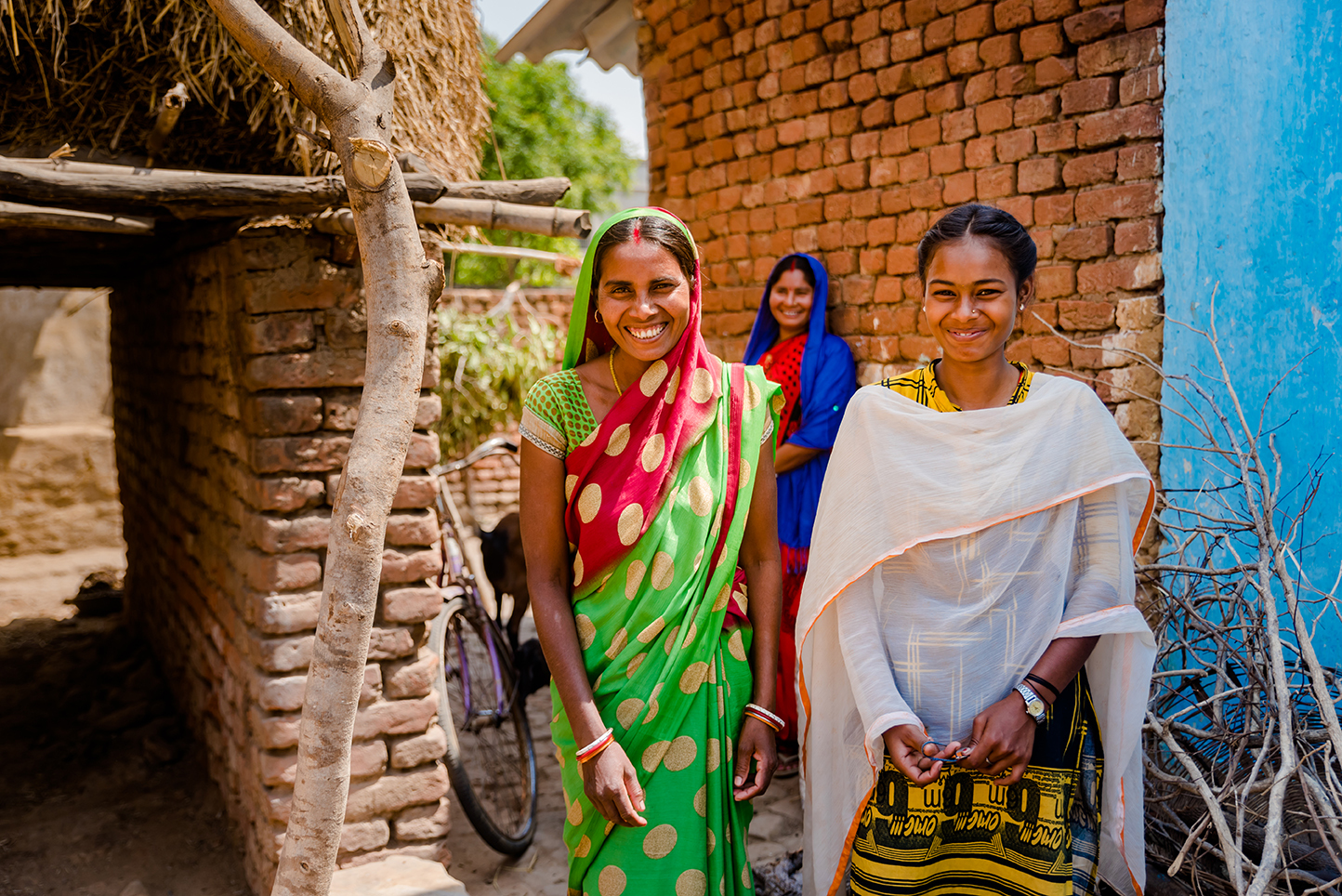
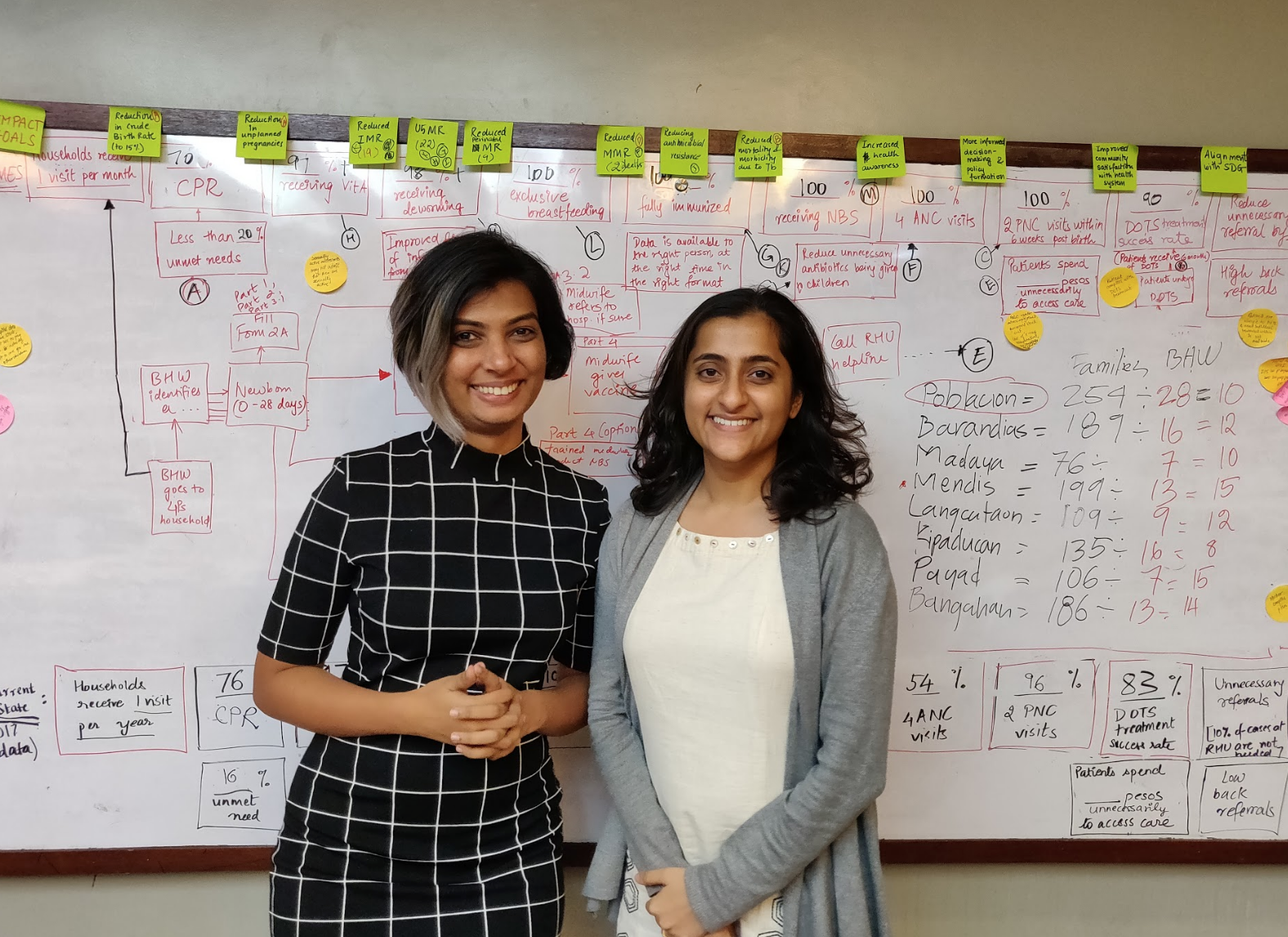
Left - Intelehealth Director of Programs, Vibha Bhirud Right - Intelehealth CEO, Neha Goel
Left – Intelehealth Director of Programs, Vibha Bhirud Right – Intelehealth CEO, Neha Goel

Globally, the public healthcare systems have monitored and planned several targeted (vertical) interventions for specific diseases like tuberculosis, malaria, anemia and for certain disadvantaged groups like women and children through primary healthcare programs. These vertical programs have resulted in a number of big wins, one such example being a global reduction in maternal and child mortality. However, health systems have become more complex over time with a number of such selective programs for many health areas – like maternal health, child health, non-communicable diseases, communicable diseases. Often there is very little connection between these health programs and each operate in its own way. Several groups of people are also frequently neglected like those with disabilities, needing mental healthcare and the aging (geriatric) population.

We at Intelehealth, do our bit by using/developing technology to deliver comprehensive primary health care to underserved communities in remote and far-flung areas. We work to integrate technology and comprehensive primary healthcare supported by digital health tools. Last week, a part of our team visited Umerga and a few other villages in Osmanabad (Maharashtra, India). It was a routine baseline survey but in the end, what we experienced in these rural areas, deeply moved each one of us. Here are five of the most touching stories from the field that, in a way, shaped our thinking of what introducing comprehensive primary health care here would mean to them.

1. Comprehensive care means addressing the underlying social issues that lead to poor health

“Can you tell me what’s wrong with her?” pleaded an upset middle-aged woman as she pulled her daughter closer to come and sit with us. “Take a look at her. She can’t even walk properly and she gets irritated so easily. We couldn’t even send her to school, let alone make her stay there. She has been like this since she was born”. The hapless young girl, who looked to be around 16 years old, seemed to have some kind of developmental disability. However, the family simply wasn’t aware of what to do and where to go and get help for her. They had sought advice from their relatives, some doctors, and even faith healers. But in the end, they did not know what to do, condemning the girl to a life of isolation.

The problem solved- Social issues like lack of awareness of stigmas prevalent about mental illnesses is a major barrier to seeking care. Health promotion and awareness is a part of CPHC that would have positively impacted the life of such people with disabilities

2. Comprehensive care means focusing on early diagnosis and prevention and not just cure

“My wife has a lump in her breast from the past 3 years. But I think the treatment will be too expensive and tedious. From where do I get the money? And who would look after my wife in the hospital? So we haven’t gone to see any doctor,” said a poor farmer as his wife curiously peeked in from the kitchen.

Just a few houses away, a young woman, we interviewed, shared how she recently attended a screening camp for cervical cancer and menstrual abnormalities. She was screened positive for a possible lump in her uterus and was referred to a hospital for further investigation. “My family didn’t want me to go. They said there was no need as I was perfectly fine. But I didn’t listen to them and went anyway.” Further tests showed she did not have cancer and the lump was benign. But she was proud that she stood up for herself.

The problem solved- Women usually face a lot of social and cultural barriers and because of which they don’t speak up for their health. Screening programs, part of CPHC, can help promote positive health-seeking behavior in disadvantaged communities.

3. Comprehensive care is sensitive to the needs of all age groups, including neglected groups like the elderly

An 80-year old lady sat down next to us, and not realizing we weren’t doctors, began to pour out her heart on her ailment, i.e. how she was having a lot of difficulties during swallowing. “I even went to a big hospital in Pune. But the doctor said he would have to put a big tube down my throat and check! I got so scared I never went back. Now I am finding it so hard to swallow.”

Screen Shot 2019-06-20 at 12.31.59 PM.png

The problem solved- Lack of education and awareness often hold people back from seeking the treatment they need, and especially in the elderly. Additionally, it becomes very difficult for them to travel far and they are dependent on other family members for tending to their needs. Also, being uneducated, having deep-seated cultural biases and the dearth of public health programs for the geriatric population, makes matters worse. Health education and promotion helps such people to understand their ailments and how to help themselves out.

4. Comprehensive care includes lowering out-of-pocket expenses for patients

“I had kidney stones, and we spent close to Rs. 18000 for my treatment, but I still have a lot of discomfort and still sometimes in pain. I may have to go back but I am worried about the toll it would have.” The farmer we were talking to, ran inside his house and came back with a new insurance card under the Pradhan Mantri Jan Arogya Yojana (Ayushman Bharat scheme). “I made this new card. But I do not understand it. What do I do with this? Can I use this for my treatment? I went to a hospital but they said they don’t accept this card. Can you help me understand this?”

The problem solved- Often financing schemes do not reach beneficiaries or they may not know how to access them or in this case, how to use it. A health system that focuses on comprehensive care also looks into how care can be made affordable. However, education regarding insurance have still not percolated through the rural masses and could be a training point.

5. Community health workers (CHWs) can be a powerful medium to deliver comprehensive care

Screen Shot 2019-06-20 at 12.50.08 PM.png

“I saw this young pregnant woman who was very weak. While she had been at her mother’s home, she was being well taken care of. She would regularly come to the Primary Health Center for her checkups during pregnancy,” said a midwife (a type of CHW in India). “But after she came to her mother-in-law’s home, she was prevented from coming for her regular checkups. I went to her house and told her mother-in-law that she needed to care for her daughter-in-law like her own daughter. I told her I would bring the village elders to her home and make sure she was held responsible if anything happened to her daughter-in-law.” We realised that CHWs can be a powerful force to address underlying social issues like these.

The problem solved- Health seeking behaviour i.e. preventive medicine is usually not a part of the treatment process and the patients usually approach the doctor after exhausting all home remedies and out of fear. The CHWs can effectively promote positive health-seeking behavior through screening, raising health awareness and home visits. CHWs bring the health system to the doorstep of patient, and are an agent for change in the way the community perceives healthcare.
Other Blogs

We look forward to partnering with you

Together we can make telemedicine reach the last mile

Contact Us

Doctors’ Safety – A physician’s perspective

True Story: A few years ago, I was a lone Medical Officer for a health related CSR project in remote rural villages in Gujarat. One day, as usual, more than a hundred patients and their relatives were sitting outside my make-shift clinic, braving the hot sun. All of a sudden, a man stormed in midst of my consult and accused me of taking too much time (I was seeing >20 people in 1 hour, with one health worker and one nurse to assist me). People started to gather around, curious to know what was happening and how events would pan out. I had heard stories of attacks on doctors. I knew about the mob mentality. I was frightened! What was better, fight or flight? How do I approach the situation?

But what happened next changed my perspective forever. Read on.

The safety of doctors has been an issue since time immemorial. Earliest studies of violence against doctors from the USA date back to the 1980s. 57% of emergency care workers in the USA have been threatened with a weapon, whereas in the UK, 52% of doctors reported some kind of violence.[2] In India, according to the IMA, at least 75% of doctors have reported as being exposed to assault (verbal, physical and psychological) [3] during duty hours. The incident that recently happened in Kolkata was a (yet another) wake up call in this direction. In India, where the allopathic doctor-patient ratio is low (1:11082) and not many doctors want to practice in the government or rural sector, doctors could be considered as a rare commodity and every effort should be made to protect them! [4]

WHY DOES VIOLENCE AGAINST DOCTORS MANIFEST?

Source: Wikipedia
Source: Wikipedia

So let us see what exactly happens. When a patient is no more, it is very natural that the patient’s relatives would grieve and try to console and counsel each other and form a support system. Some of the patient’s close relatives also look outward for support and to make sense of the profound loss. A popular theory about stages of grief according to the Kubler- Ross model are denial, anger, bargaining, depression and acceptance. Another popular theory (see pic) shows two possible outcomes of grief or a life-changing event – shock and denial or anger and bargaining. [4]

So when necessary support is not received by the patient in the first three stages phases, it leads to a crisis in grief management which can then lead to a violent outburst by the patients or their relatives. Also, there are several other factors leading to frustration which in turn cause violence. Few are listed here and may include:

Patient frustration factors

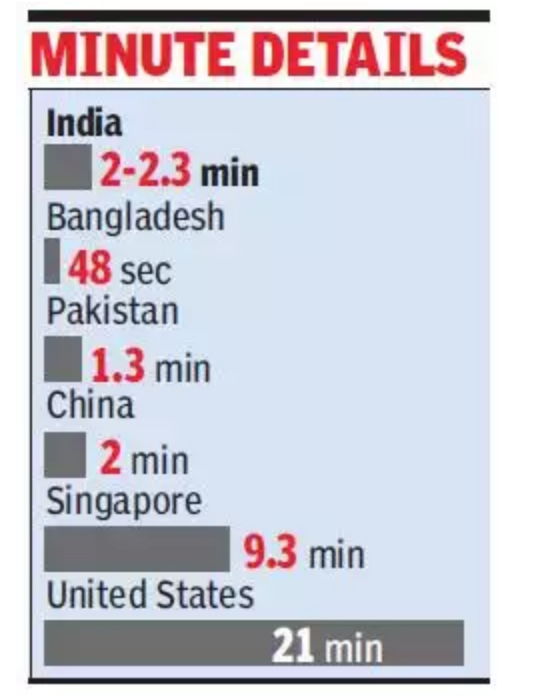
Doctor-Patient interaction times around the world. Source: Times of India
Doctor-Patient interaction times around the world. Source: Times of India
    1. Long queues and wait times
    2. No proper sitting, toilet or canteen facilities
    3. After hours of waiting to meet the doctor, only 2 minutes or less time with the doctor
    4. Inability to understand the doctor’s notes or their own condition
    5. Expensive tests or medications prescribed by doctors they consider to be ‘money minded’.
    6. Out of pocket expenditures forcing people to empty their savings or utilize money kept aside for a better life.
    7. No sympathy or empathy and a very mechanised ‘assembly line’ delivery of healthcare.

Doctor frustration factors

    1. Long working hours
    2. Poor resources and infrastructure
    3. Organizational pressures to accommodate more patients in a fixed amount of time
    4. Better job opportunities, facilities and incentives elsewhere (in urban areas and private setups)
    5. Patients doubting their ability and prescription and violent outbursts from relatives

Other causes include irrational behaviour and personal vengeance. Also politically or economically motivated violence against healthcare institutions and doctors is not uncommon. For instance, Yi Nao, which literally means healthcare disturbance, started in China and is now a worldwide phenomenon, where self-proclaimed ‘do-gooder’ gangs extort money from hospitals alleging malpractice and share the profits with the patients.

Coming back: I gathered courage and informed the people that I am doing the best with the resources and the infrastructure available and empathized with them for their patience, which was seconded by the community health worker. When the man refused to budge and stood towering before me, I politely informed everyone, the reasons why further consults are not possible due to the looming danger. What happened then surprised me! The health worker and the local people told me not to worry, got together and ushered the gentleman out. He was asked to seek healthcare for himself and his family elsewhere. They even involved the local bodies to keep the entire family away from me and the premises.

THE CURRENT SCENARIO

Several legislations, including state bills, both for and against the doctors and the patients, are already in place [6]. But even with stricter laws in the advanced countries, assault on doctors still happens. Also, in spite of several laws being present on the patient’s side, there is a perception that the doctors are well connected and often get away unscathed. Also, certain media sources present sensational stories where gangs have beaten doctors and have got away with it. All these instances embolden the people to take the law in ones own hands.

WHAT CAN WE DO?

As patients

Doctors enter the profession with a spirit of helping others and always use their best judgement in the interest of the patient. Also, a doctor is just another human being, constrained by his knowledge and experience, trying his best not to make any mistakes, as in this field there are no second chances. Also, you may be dealing with a doctor who is as frustrated and helpless as you (reasons described above). Thus, ideally, in times of distress, one should approach and handle the situation in a calm and dignified manner and take help from higher authorities if things don’t turn out as per expectations or if you suspect any foul play.

As healthcare providers

Doctors should understand that the patient is a stressed person with heightened emotions and is probably worried about the personal, professional and financial toll this ‘mysterious’ disease would bring. Doctors should involve the patient in their diagnosis and treatment process i.e. shared decision making and given the times, take due consent and properly document the case irrespective of severity. Empathy is currently not taught as a subject at med school, and being so important in our daily practice, we should cultivate it along the way.

As healthcare organizations

Healthcare organizations have a statutory responsibility to commit to the safety of patients and healthcare providers, and ensure that their premises are safe and free from looming danger. Periodically reviewing safety protocols, quicker response by authorities, training security personnel and senior officials in managing escalations, using counsellors and better community engagement to build trust, are few of the instances that the institutions can undertake to manage and reduce harm during a crisis.

As policy-makers

Stricter enforceable laws could be implemented. For example, one thinks over a few times before assaulting a police officer as it is against the law to lay hands while he’s ‘on duty’. An extreme example is lifetime punishment, recently given to a South-Mumbai businessman for a hijacking prank on a popular airline. Such laws and its enforcement may deter people from even thinking of hurting doctors as the consequences of their actions are severe.

However, none of these solutions is sufficient by itself, but by working together we can all play our part in improving the safety of physicians.


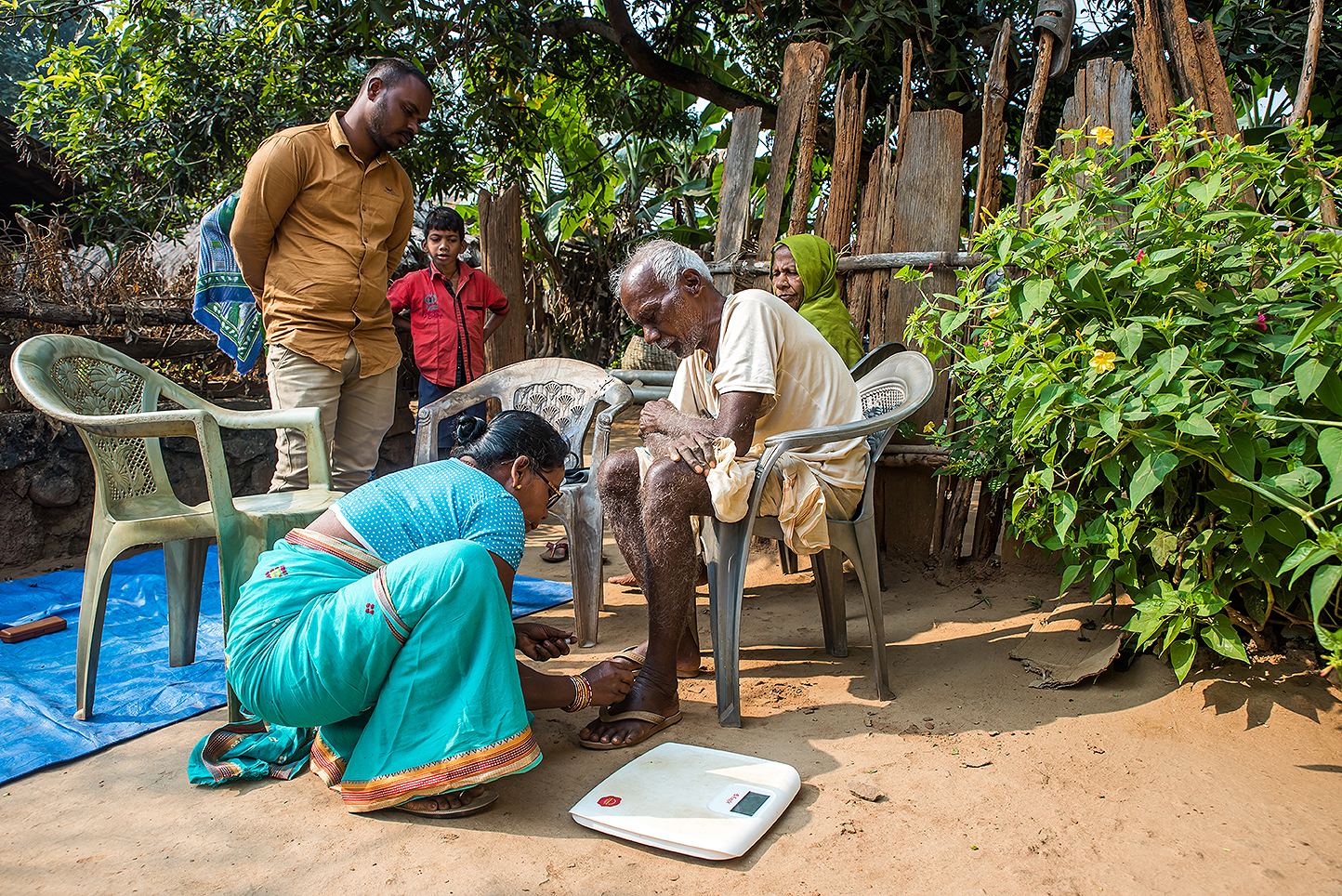
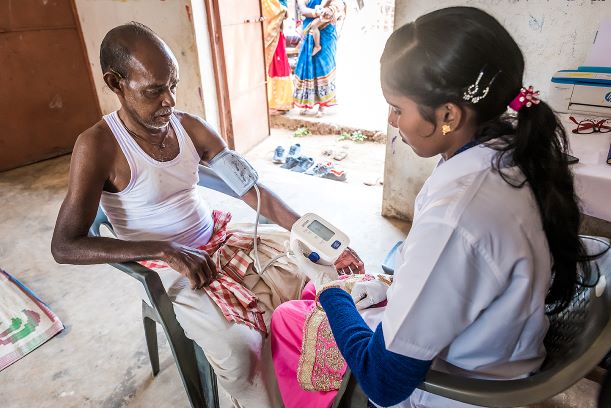
A community health worker trained by Intelehealth in rural Odisha evaluating a patient.
A community health worker trained by Intelehealth in rural Odisha evaluating a patient.

CONCLUSION

Violence in any form towards anyone is deplorable, as is inciting one towards it. Doctors, patients and policy makers should be aware of the problems faced and initiate a course correction in a dignified and respectful manner. Additionally, such situations highlight the importance of having a trusted community health worker (CHW) by ones side (i.e. as a doctors’ or peoples’ advocate) and it goes a long way in calming down such people or events, as they are at a better advantage since they belong to the same community and the people place their trust and full faith in them to work diligently and have their communities’ best interests at heart.

A happy ending: A few weeks later, I saw a young boy arguing with some of my patients and his toddler brother crying outside my clinic. The health worker informed me that they were the children of the angry man, and the father refused to take them to a physician as he had to go to work, and they were asked to go away. The elder brother had enough of his little brother’s sickness and had tried to sneak him in. He pleaded with me for help. I couldn’t punish the children for their father’s mistakes, I was no judge here, I was just a doctor!

After cajoling the crowd, I managed to let the toddler in, consult and send a note back with a neighbor. I sent the small boy home with a local sweet and a smile on his face that was sweeter

References

  1. http://www.jfmpc.com/article.asp?issn=2249-4863;year=2018;volume=7;issue=5;spage=841;epage=844;aulast=Kumar

  2. Goodman RA, Jenkins EL, Mercy JA. Workplace-related homicide among health care workers in the United States, 1980 through 1990. JAMA 1994;272:1686-8.

  3. Nagpal N. Incidents of violence against doctors in India: Can these be prevented?. Natl Med J India 2017;30:97-100

  4. Human Resources in Health Sector. National Health Profile 2018. New Delhi:Central Bureau of Health Intelligence, Directorate General Health Services, Ministry of Health and Family Welfare, Government of India; 2018:219

  5. https://en.wikipedia.org/wiki/K%C3%BCbler-Ross_model

  6. https://www.ima-india.org/ima/left-side-bar.php?scid=207

Other Blogs

We look forward to partnering with you

Together we can make telemedicine reach the last mile

Contact Us

Healthcare for the last mile

One of the major challenges in the world today that disproportionately affects developing countries is access to good quality healthcare. For example, according to the Lancet, the world average on health spending as a percentage of GDP is 8.7%. In South and Southeast Asia, it is about 4-5%. Consequently, there are less dollars to spend per capita, affecting metrics such as the number of hospital beds and the number of healthcare workers, leading to poor clinical outcomes.

As another example, take India. India has the unique competitive advantage of a demographic dividend, meaning that its working age population largely consists of youth (ages 15-34) and which could deliver greater economic productivity. For India to achieve its potential and thus its ‘dividend’, two pillars need to be strengthened dramatically – healthcare and education. Of these, the need for better healthcare is perhaps more pressing, because if a student is unhealthy, it affects his/her attendance, which in turn could adversely affect educational attainment and thus employment prospects–a vicious circle.

While private sector healthcare has taken off in India, it is by and large an urban phenomenon; rural areas are suffering. Only 20% of doctors are in rural areas, where approximately 70% of the Indian population resides, as per a KPMG and OPPI study in 2016. Also, the private sector accounts for 63 percent of hospital beds, according to a FirstPost article published last year.

Intelehealth, co-founded by Neha Verma and Dr. Soumyadipta Acharya, is a healthcare not-for-profit startup trying to mitigate some of those challenges. Critically, it is focused on improving the last mile problem. They’ve developed a unique low cost and low bandwidth telemedicine solution with four interesting aspects that I’d like to call out:

a. They’ve built a knowledge engine, with care protocols for over 70 primary care conditions.

b. This engine is used to train and empower existing healthcare/non-governmental organization (NGO) workers.

c. Through their software platform, doctors can review cases and submit their diagnoses/findings asynchronously.

d. To help scale, the software works on very low-cost smartphones, which can operate in extremely remote regions where there is woefully inadequate bandwidth.

The team is in the process of executing several projects and pilots across the world – from India to the Philippines to Syria. The results are very encouraging.

Healthcare is a very complex space and it is wonderful to see organizations like Intelehealth tackling these challenges. And I’m very glad to be associated with them as an advisor.

Screen Shot 2019-06-20 at 12.52.15 PM.png
Other Blogs

We look forward to partnering with you

Together we can make telemedicine reach the last mile

Contact Us

Connecting the unconnected – Innovations in Telemedicine

The dusty lanes of the Vidarbha hinterland painted a stark picture and grim reality. Despite the economic and technological advances elsewhere, life is an everyday struggle for existence in this hinterland. Interaction with many panchayat members brought up the age old issues of education, healthcare and livelihood. For such rural communities healthcare availability hasn’t increased much and the affordability has worsened. A health issue could often wipe out the savings of many years and push the entire family towards poverty. This is true not just in Indian hinterland, but in any part of the world which is as deprived. While it is a huge effort to increase the healthcare infrastructure in the long term, small investments in the connecting the unconnected and focusing on the right interventions will go a long way. New innovations in Telemedicine are making it effective at very low cost and low bandwidth and will greatly help the field workers.

Screen Shot 2019-06-20 at 12.48.58 PM.png

Here are a couple of success stories from such an innovative non-profit tech startup – Intelehealth. In remote Odisha, there was a patient with chronic symptoms of kidney stones. The local doctor had asked a huge sum the patient couldn’t afford. The patient comes to the health worker, who using the Intelehealth app initiates a diagnosis with the remote doctor. With the remote doctors advice and help, he gets a surgery arranged under RBSY (Govt. health insurance scheme) at a fraction of cost, thus saving the family from years of debt. A great example of right advice at the right time at the door step.

In another instance, Intelehealth field worker’s 16 year old son suffered on injury to his head that required a major surgery. She sold her jewelry and mortgaged her farm to pay for treatment. Post surgery, her son suffered from frequent seizures and couldn’t join school or work. Debt made it impossible for her to pay for travel and treatment at a city hospital. He was one of the first patients at the teleclinic and the doctor was able to prescribe medications to manage his seizures. He has now joined a job and lives a healthy life.

Intelehealth was part of the first Cisco CSR & N/Core Tech – incubator for non-profit startup cohort. Having toiled for long in this space, I found the approach was refreshingly intuitive. It was proven to work by Dr Soumyadipta Acharya, a doctor turned technologist at John Hopkins and his team. The essence is to take standard medical protocols, codify them into a mind map, which in turn becomes a comprehensive questionnaire which the health worker uses to collect information. The responses get uploaded and summarized to the remote doctor who could provide a diagnosis and a prescription or ask the health worker to collect more information. All this work flow is enabled by a software stack using open-source components where possible. As Dr Acharya says the intent is to provide scientific, evidence based, and dignified care. Partnering him is Neha Goel, doctoral student at John Hopkins, who believes every life is valuable and to lead a happy, healthy life is a basic human right. An entrepreneur, technologist and a social activist all rolled into one she likes to take challenges head on. Together they co-founded Intelehealth as a non-profit along with Amal Afroz Alam and Emily Eggert in June 2016.

When you want to do something good the Universe conspires with you. Fast forward to three years later Intelehealth has built the software stack, and looking to scale its operations in India, Syria, Philippines and has an awesome team that believes in the vision. I am glad and excited to join hands with them to reach the remote corners of the world. While capitalism is widening the divide between haves and have-nots, we shall make every effort to use technology to reduce that divide.

#Telemedicine #RuralHealth #HealthcareForAll #Intelehealth

Other Blogs

We look forward to partnering with you

Together we can make telemedicine reach the last mile

Contact Us

May Measurement Month: How Intelehealth is combating hypertension and other NCDs

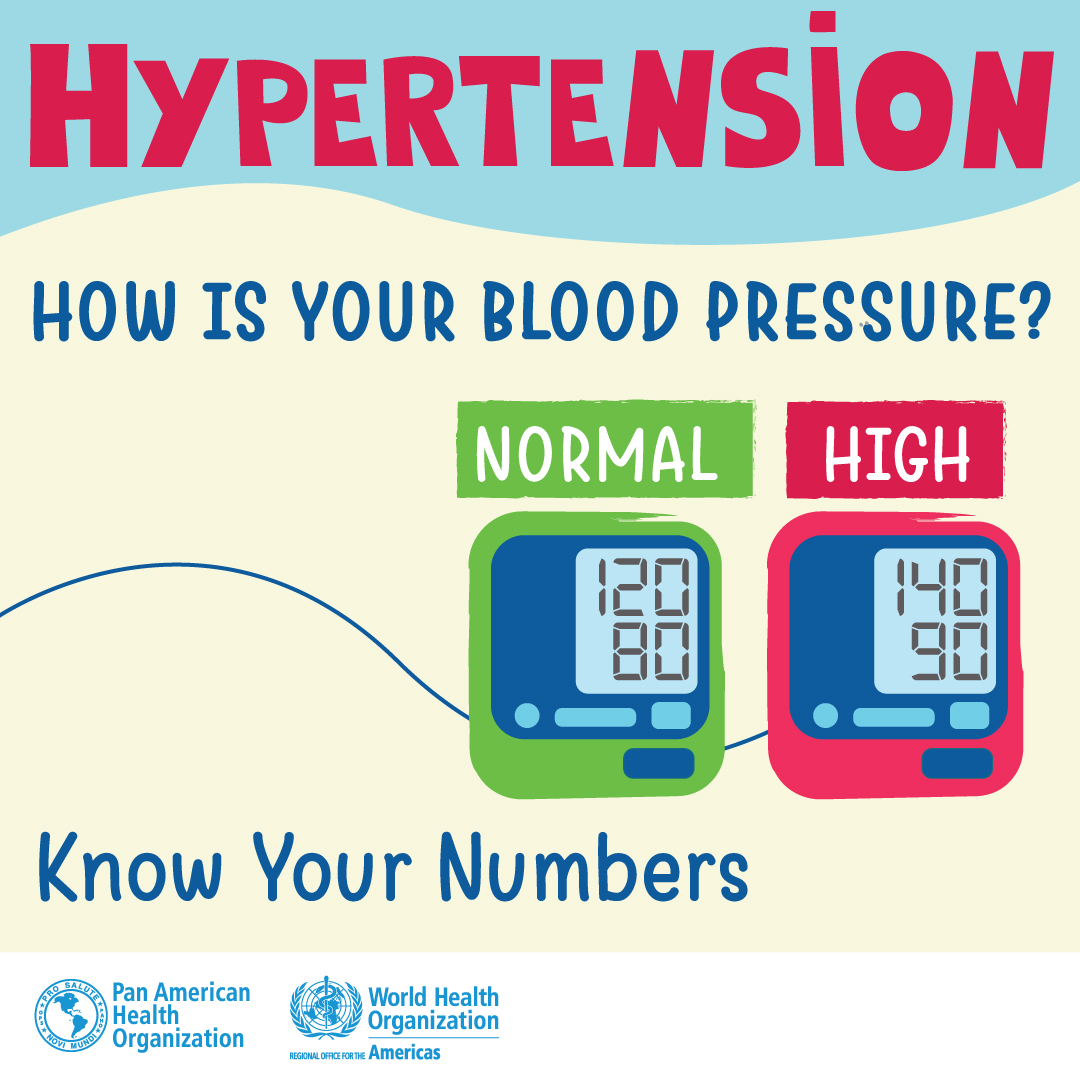
Source: PAHO/WHO
Source: PAHO/WHO

Hypertension or elevated blood pressure is one of the largest contributors to the global burden of disease and affects more than 1 billion people all over the world [1]. A recent study about the prevalence of hypertension in 140,000+ adults showed that 40% of adults had an elevated BP. Of these, only 46% were aware of their diagnosis of hypertension. What’s also concerning is that of those who were aware of the diagnosis, 87% were taking medications but only 32% people had achieved BP control! [2] There is a lot of room to improve diagnosis and treatment of hypertension.

The World Health Organisation (WHO) celebrates a themed World Hypertension Day every year on 17th May and the International Society of Hypertension has designated the month of may as May Measurement Month. This year’s theme is ‘Know your numbers’ which is an encouragement for people to get their Blood Pressure (BP) checked and know their status.

What is Hypertension?

Source: Heart.Org
Source: Heart.Org

Blood pressure is the force of blood pumped by the heart, in every heartbeat, pushing against the walls of blood vessels.  Normal adult blood pressure is 120 mm Hg when the heart contracts and pushes the blood out (systolic) and 80 mm Hg when the heart relaxes to receive the blood (diastolic).  Any blood pressure reading above 140/90 mm Hg is Hypertension.

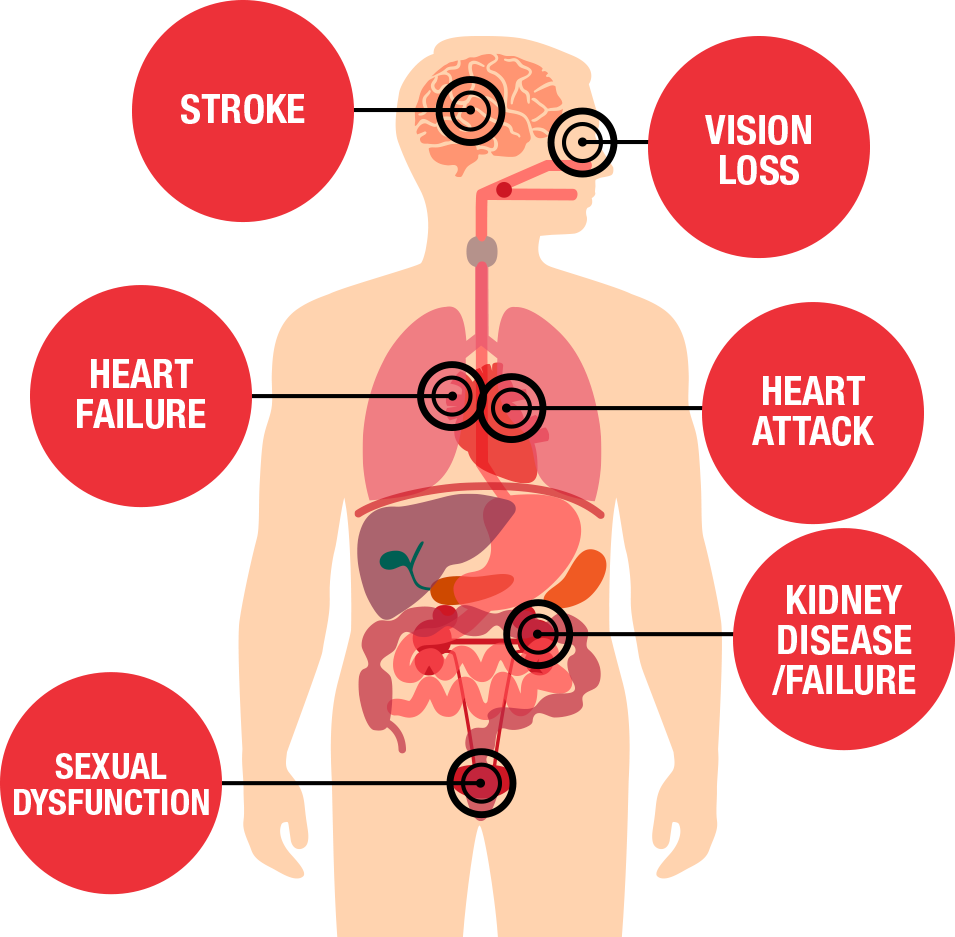
Hypertension is usually mostly asymptomatic and sometimes vague symptoms like dizziness, headache, nose bleeds, etc. are present which can be easily mistaken for other diseases. Chronic high pressures cause damage to the heart and delicate blood vessels in leading to major diseases in target organs (see pic).[3]

Hypertension in low and middle income countries

It’s a myth that hypertension is a disease only seen in affluent countries. In India the prevalence of hypertension is 24-30% in urban areas and 12-14% in rural areas. Plus there are many more who have never checked their Blood Pressure. A survey conducted by the Rural Health Progress Trust in rural Maharashtra showed that 76% of adults had never had their BP checked even once in their life! The reasons could be ignorance of the chronic nature of the condition, non-availability of specialized doctors, myths that hypertension does not affect people living in rural areas, low quality of care and money, time and distance constraints.

The lifetime cost of controlling hypertension is also high, since one has to continuously take medications and also manage other comorbidities. Because of these constraints, strategies need to be developed that overcome these barriers to improve the diagnosis and management of hypertension in low and middle income countries.

WHO has laid down a set of low cost interventions for primary healthcare in low resource or resource poor settings called WHO PEN (Package of Essential Non Communicable Diseases Interventions) protocol. PEN is a key is key to achieving objective 4 of the WHO Global action plan for the prevention and control of noncommunicable diseases 2013-2020. It aims to provide and integrate cost effective technology guidelines, implement and monitor cost effective approach to NCDs and establish standards for health care delivery in terms of providing treatment protocols and standardizing medications prescription and delivery mechanisms. Management and control of hypertension in order to reduce the underlying risk factors for NCDs forms a significant part of the PEN protocols.

Community health workers can use telemedicine for screening, diagnosis and management of hypertension

We need effective and innovative approaches to diagnose and treat hypertension in low resource settings such as rural areas. However, non-availability of experts in rural areas is a big barrier.

Photo credit: Intelehealth

Telemedicine can help shift evidence based Hypertension screening, providing diagnosis and treatment through remote experts and lifestyle modifications advice (via app prompts) to Community Health Workers. App based educational material (eg. videos, pamphlets) can be standardized and quality of care maintained across centers.  Regular app based notifications for follow up and medication reminders also help in managing Hypertension effectively and economically.

Intelehealth connects the patient directly with a specialised doctor of choice through a skilled and caring community based health worker (CHW), all at the patient’s convenience. The CHW, with help of the Hypertension protocol pre-stored on the App, takes a detailed history.

History includes onset, duration, progress, any associated symptoms and risk factors. Past history, family history and Health Risk assessment(HRA) is also made easy to understand and to record via app prompts for the CHW. Certain simple  physical examinations like Vitals (height, weight, BP, pulse, temperature, SpO2) and General examination (inspection of pallor, jaundice, neck masses, etc.) can be task shifted and the rest skilled specific system examination ( Palpation, Auscultation, Fundoscopy, etc.) can be done through referral system.

Photo credit: Intelehealth

Once the CHW gathers data about the case (history and physical examination), she shares it with the doctor. The doctor then calls the patient to build up a rapport and add any missing pieces of the case. The doctor then evaluates and manages the case remotely and provides his prescription, all via the app. CHWs can also perform the important function of health education a behavior change counselling using videos and pamphlets to counsel the patient.

Studies have also shown that integrating HTN screening and monitoring in Telemedicine helps to create a safe and patient centered network among healthcare professionals (patient, CHWs and the Doctor). It improves the screening and management of hypertension and related comorbidities, and consequently achieves an effective prevention of cardiovascular diseases in the community thereby decreasing the burden on health infrastructure. [4]

Intelehealth is piloting hypertension control as part of its comprehensive primary health care delivery pilot in India and will soon launch the same in conflict-affected communities in Syria.

As the global community rises to combat this silent killer, innovative approaches to combat hypertension are the need of the hour. Are you interested in learning more about how the Intelehealth platform can be used to combat hypertension and also deliver community-based comprehensive primary health care? Reach out to us through our contact page!

REFERENCES:


[1] Chow, Clara K., et al. “Prevalence, awareness, treatment, and control of hypertension in rural and urban communities in high-, middle-, and low-income countries.” Jama 310.9 (2013): 959-968.

[2] Olsen, Michael H., et al. “A call to action and a lifecourse strategy to address the global burden of raised blood pressure on current and future generations: the Lancet Commission on hypertension.” The Lancet 388.10060 (2016): 2665-2712.

[3] Chethana KV, Anusha T, Mane A, Prasad VM, Sunkad VM. Prevalence of hypertension and its risk factors among adults in urban field practice area NMC, Raichur, Karnataka, India Int J Community Med Public Health. 2017;4(1):45-50

[4] Omboni S, Ferrari R. The Role of Telemedicine in Hypertension Management: Focus on Blood Pressure Telemonitoring. Current Hypertension Reports. 2015;17(4):1522-6417

Intelehealth is a Digital Health Platform to support Health workers to deliver primary health care services at the last mile.

Other Blogs

We look forward to partnering with you

Together we can make telemedicine reach the last mile

Contact Us